Electron Deficiency Might Be the Missing Piece in Chronic Illness
If you have a chronic illness, there’s a good chance you feel stuck. You try things. You get a little better. Then you crash again.
Here’s the big idea:
If you have a chronic illness, you may be electron-deficient.
And when you don’t have enough electrons, your body can’t “hold” healing for the long term. (Yes—this connects to mitochondria, blood flow, inflammation, and even the glycocalyx.)
What “Electron Deficient” Really Means Electrons
help your body do the basics:
• Make energy in your cells (mitochondria)
• Move blood through tiny blood vessels (capillaries)
• Keep inflammation under control (oxidative stress)
• Keep blood smooth instead of thick and sticky (blood viscosity)
When electrons are low, your body can feel like it’s running on a dead battery.
The Blood Flow Problem Most People Never Hear About
Here’s a shocking fact:
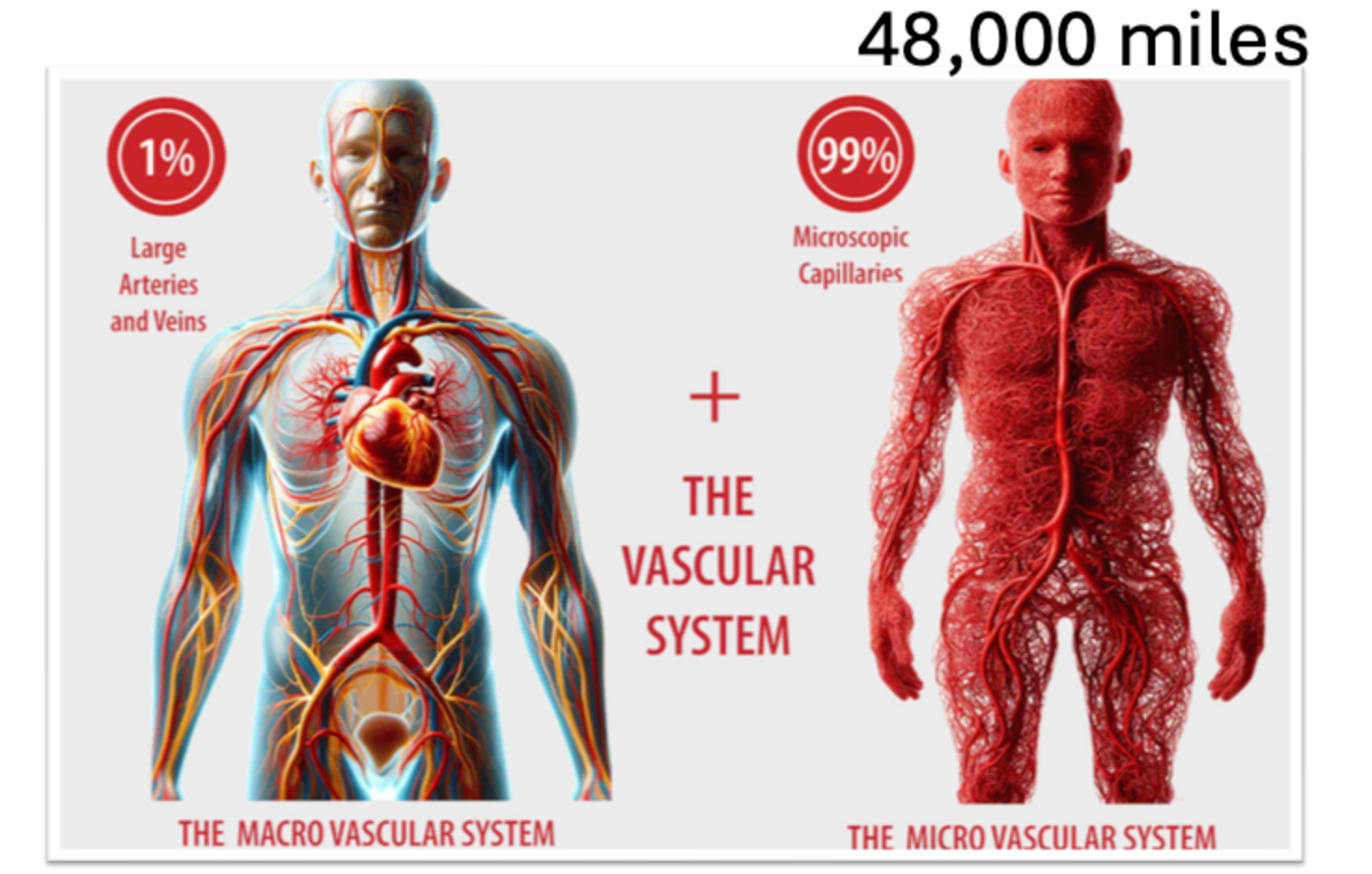
• Big arteries and veins are only about 1% of your blood flow system
• The tiny capillaries are about 99% You have about 84,000 miles of capillaries.
So ask yourself:
How does a small heart pump blood through that kind of distance, all day, every day?
This is where electrical charge matters.
Why Capillaries Are So Hard to “Push” Blood Through
Red Blood Cells Are Bigger Than Some Capillaries
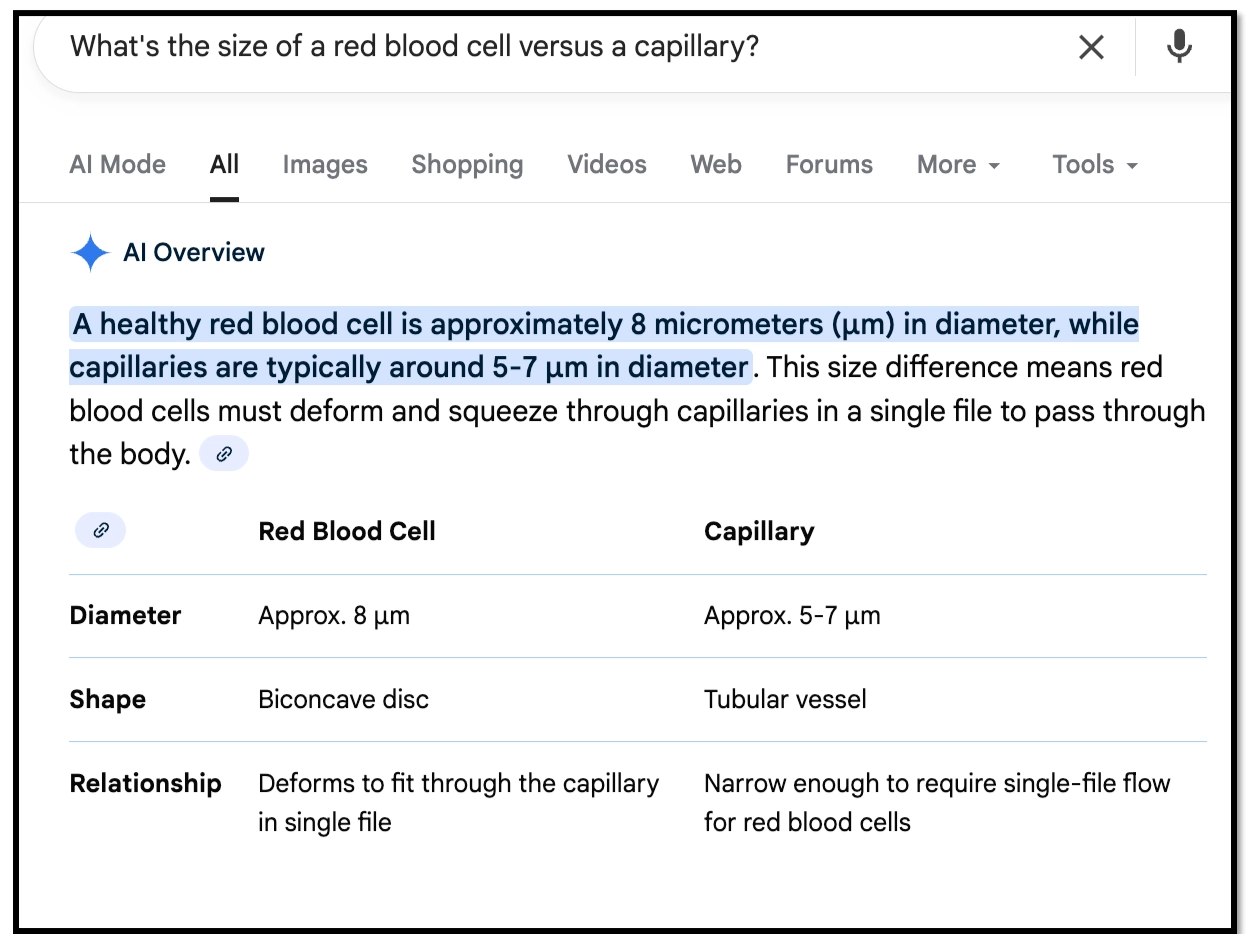
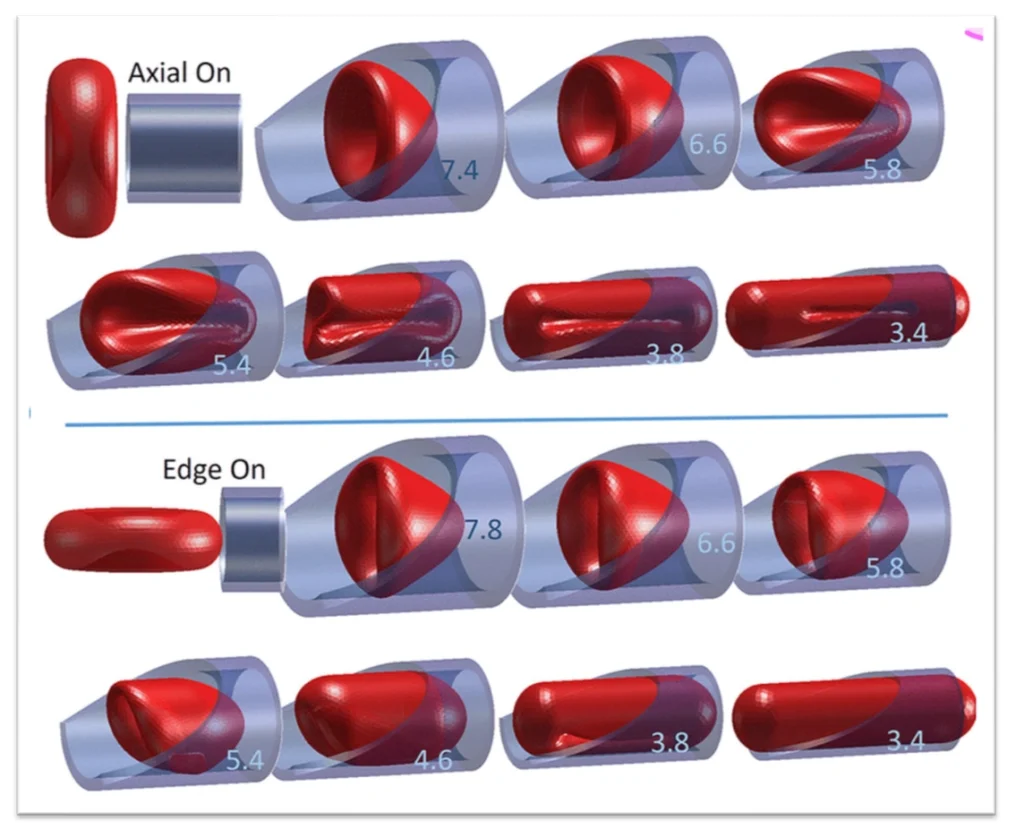
Red blood cells are about 8 (tiny units). Capillaries can be 5 to 7.
That means the red blood cell often has to squeeze and bend to get through.
So if your blood is thick…
If cells are clumping…
If inflammation is high…
You can lose smooth delivery to tissues.
That’s when symptoms show up everywhere.
Zeta Potential Is the “Non-Stick” Power of Your Blood
Healthy Blood Has Repulsion
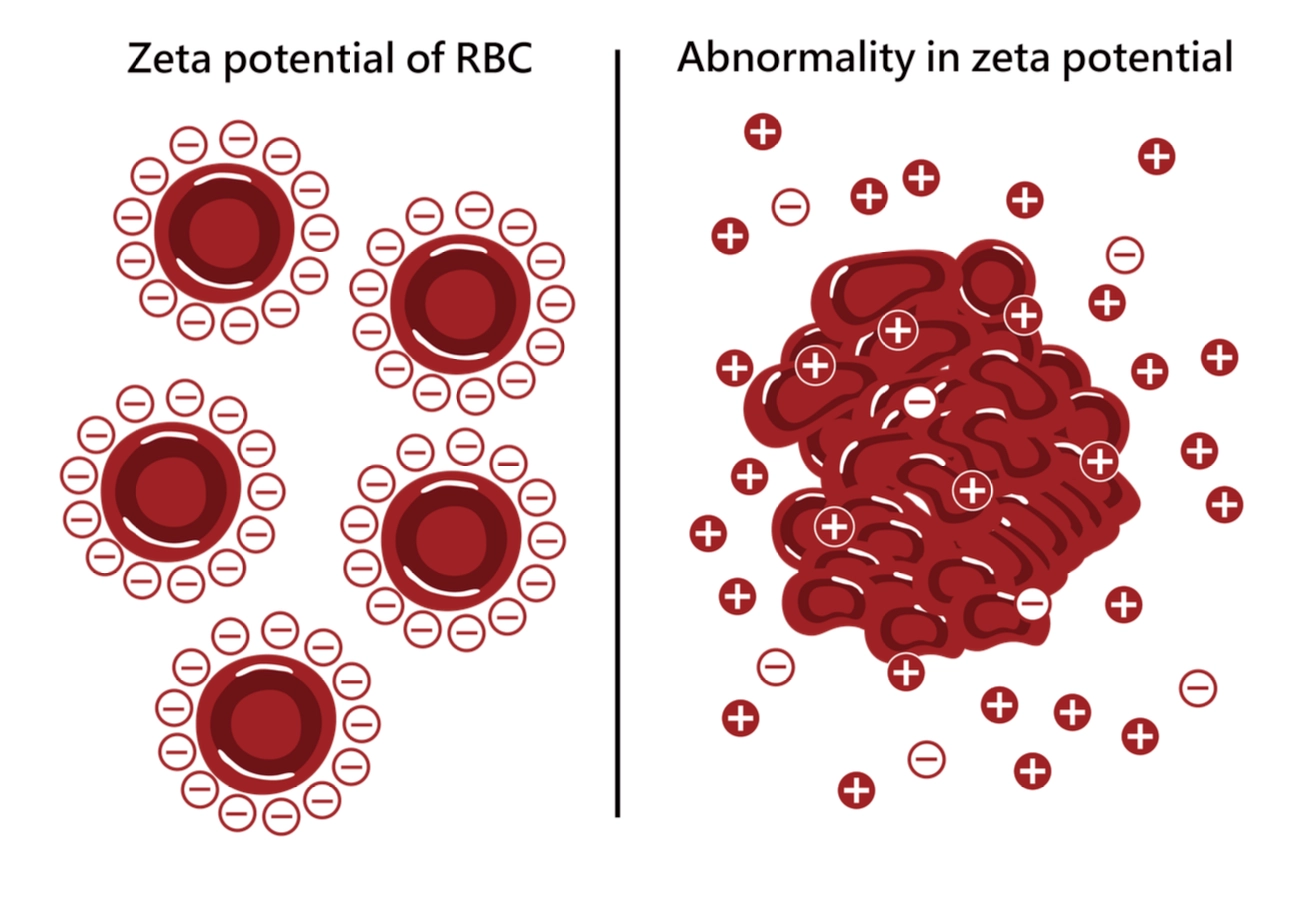
Your red blood cells should carry a negative charge on the outside.
That negative charge creates repulsion—like magnets that push away.
This helps:
• Keep cells from clumping
• Keep blood flowing smoothly
• Improve oxygen and nutrient delivery. When charge drops, red blood cells can clump.
And clumped blood doesn’t move well.
The Simple Lab Clue That Can Hint at Clumping
ESR “Sed Rate” Can Be a Signal
A high sedimentation rate (ESR / sed rate) can suggest that blood cells are settling faster.
In plain terms:
• Clumped cells fall like a rock (fast)
• Separate cells fall like sand (slow)
Less negative charge → more clumping → higher sed rate.
Real Solutions That Can Support Electrons and Blood Flow
You don’t need 100 ideas.
You need a few that actually move the needle.
1) Grounding (Earthing) — “Vitamin G”
Grounding means connecting your body to the Earth (directly or with tools like a mat/sheet).
Why it matters:
• The Earth is a source of electrons
• Electrons can help calm inflammation and oxidative stress
• This may help blood flow by improving surface charge on red blood cells
Simple. Daily. And you can do it at home.
2) Phosphatidylcholine (PC) — The Membrane Builder
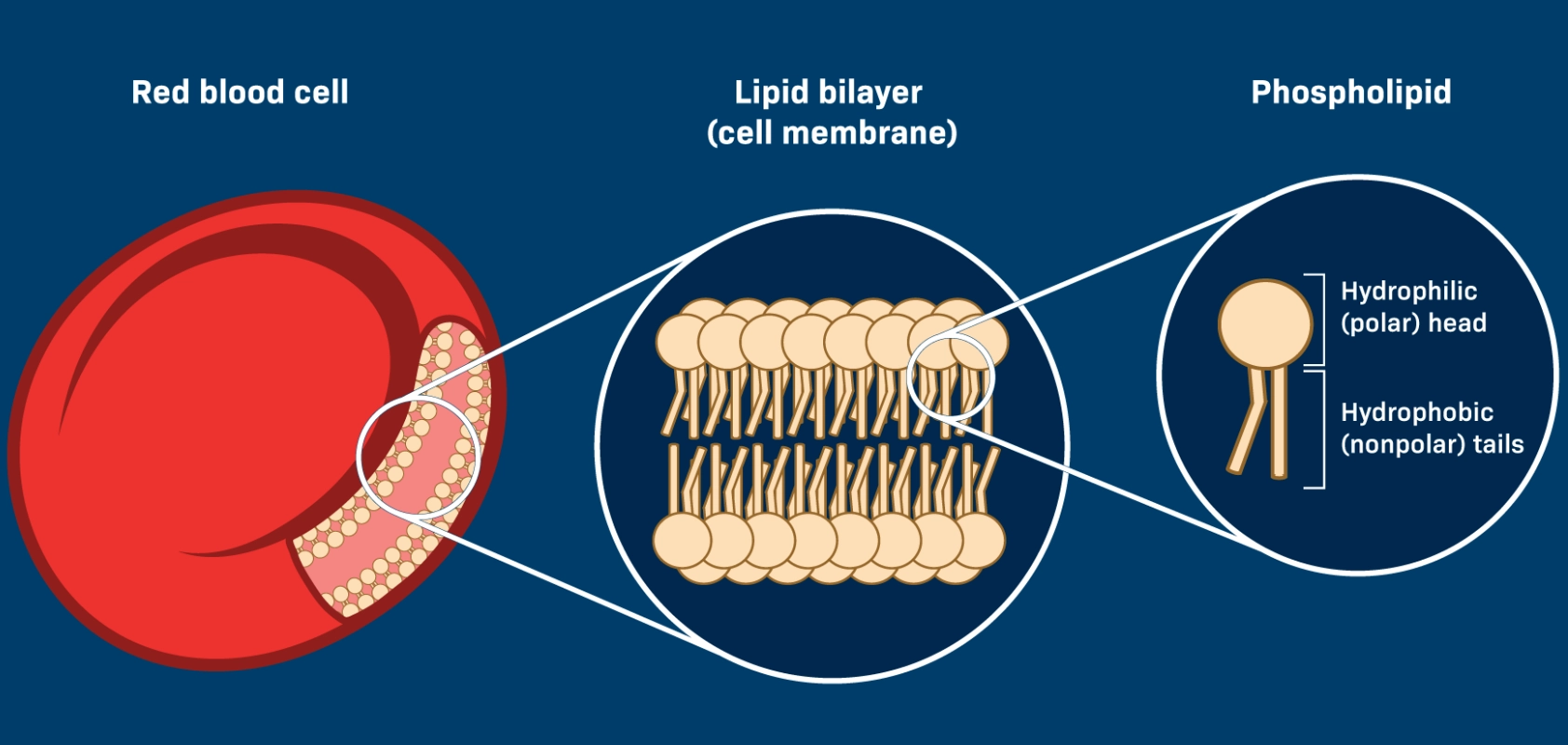
PC supports the structure of cell membranes.
Why it matters:
• Your red blood cell membrane must bend and flex
• Mitochondrial membranes need integrity for energy flow
• PC also carries a negative electrical effect at the membrane surface
If membranes are “crusty,” electrons don’t move well.
3) Support the Glycocalyx — Your Vessel “Shield”
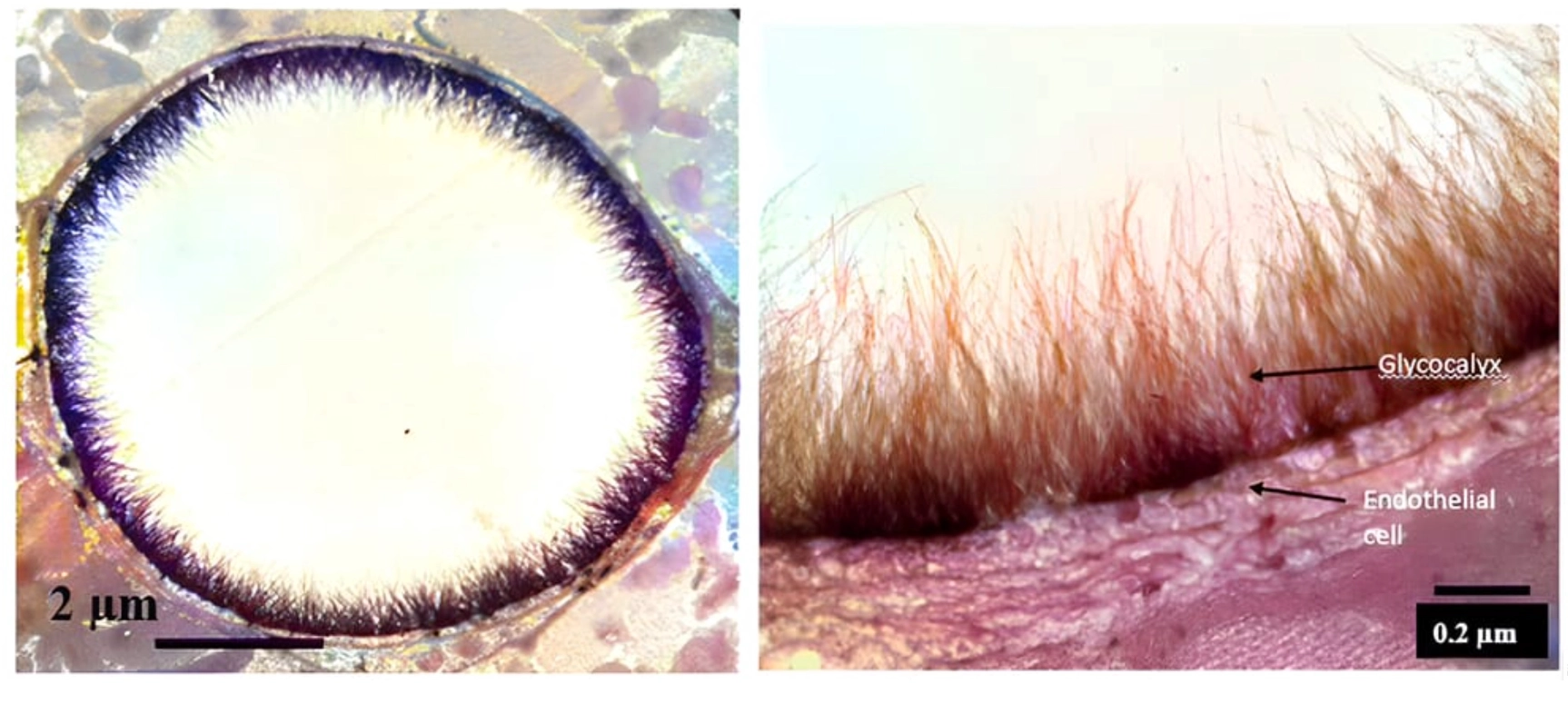
The glycocalyx is a thin layer lining your blood vessels.
Key point:
It should be negatively charged.
That helps red blood cells glide instead of sticking.
When the glycocalyx is damaged (often with chronic illness), blood flow can suffer.
4) Stabilize Blood Sugar
Blood sugar swings can hammer inflammation and damage vessel lining.
Steady blood sugar supports:
• Better circulation
• Better cell stability
• Better energy output
5) Reduce the Big Electron Thieves
Common “electron drainers” include:
• Chronic inflammation
• Gut issues
• Mold exposure
• Heavy metals
These can disrupt membranes and increase oxidative stress—making it harder for your body to recover.
The Bottom Line
If you’ve tried “everything” and still feel awful, consider this:
Your body may not just need supplements or meds. Your body may need better electron flow.
Because healing takes energy. And energy takes electrons.
If you want a guided plan (not random guessing), get support from someone who looks at mitochondria, blood flow, inflammation, membranes, and the glycocalyx as one connected system.
Frequently Asked Questions (FAQ)
Being electron-deficient means your body lacks the negative electrical charge necessary for fundamental processes. This deficiency impairs your mitochondria (energy production), reduces efficient blood flow through capillaries (which make up 99% of your circulatory system), increases inflammation, and makes blood thicker. If you have a chronic illness and feel stuck in a cycle of brief improvement followed by crashes, electron deficiency might be preventing your body from "holding" long-term healing.
Red blood cells must deform to squeeze through tiny capillaries (5-7 μm), which are smaller than the cells themselves (8 μm). If your red blood cells lose their natural negative surface charge (zeta potential), they clump together. This "sticky," clumped blood cannot flow smoothly, drastically reducing oxygen and nutrient delivery to your tissues and contributing to systemic symptoms and fatigue.
A high Erythrocyte Sedimentation Rate (ESR or "sed rate") can be a signal. This test measures how quickly red blood cells settle in a tube. Clumped cells (due to low negative charge) fall rapidly like a rock, while healthy, separate cells fall slowly like sand. A high sed rate can therefore hint at the clumping caused by electron deficiency.
Key strategies include: 1) Grounding (Earthing): Direct contact with the Earth to absorb free electrons; 2) Phosphatidylcholine (PC): To build flexible, healthy cell membranes that support electrical charge; 3) Supporting the Glycocalyx: The negatively charged lining of blood vessels; 4) Stabilizing Blood Sugar to reduce inflammation; and 5) Addressing electron "thieves" like chronic infections, mold, or heavy metals.
While the heart pumps blood through large vessels, the final, critical delivery happens in the capillaries—a network spanning roughly 84,000 miles that comprises 99% of your circulatory system. If electron deficiency causes clumping and poor flow at this microscopic level, tissues starve for oxygen and nutrients no matter how healthy your large arteries are, leading to pervasive symptoms.